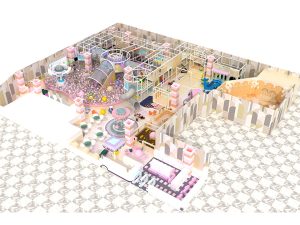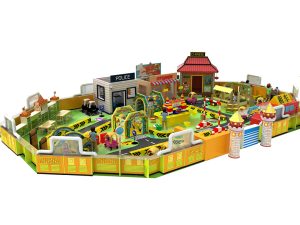
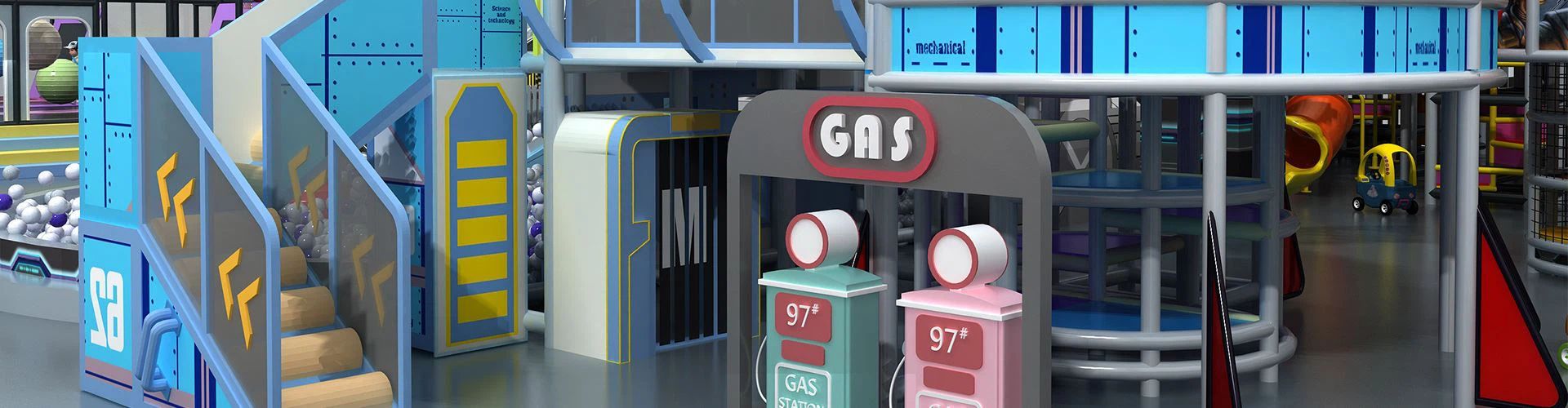
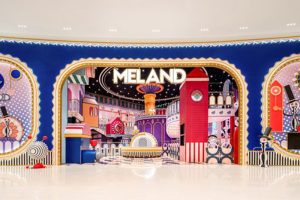
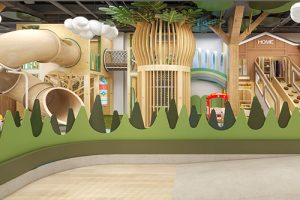
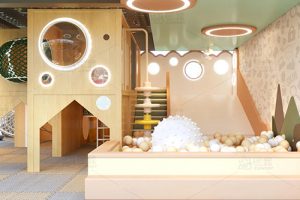
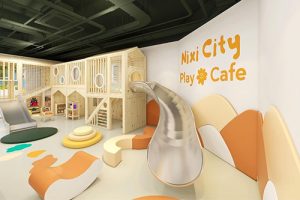
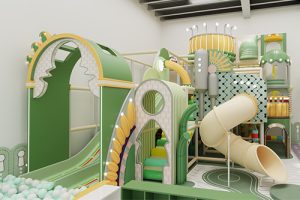
Meland’s grand opening at Siam Paragon in Bangkok has provided investors and developers in the indoor family entertainment center industry with numerous strategic insights. Here are some key takeaways:
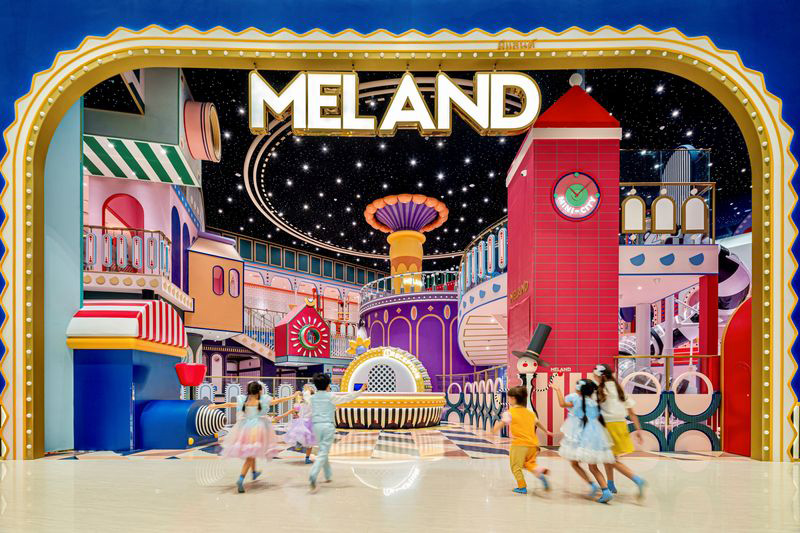
1. Conduct Thorough Local Research Before Designing
There is a “gap” in the Thai market for high-end family-kids amenities. Meland is not just creating a playground, but a “super palace”—a landmark building spanning over 5,000 متر مربع. An investment of over 400 million baht translates to a high entry fee, but the facility itself offers a unique experience that families cannot find at home or in other parks, justifying the high fee.
2. Strategic Collaborative Innovation with Local giants
Meland partnered with Siam Piwat (owner of Siam Paragon) on a 400 million baht investment. It is a good idea for Investors in indoor playgrounds to seek out local landowners or investors with mutually beneficial influence. Siam Piwat views Meland as a strategic partner to enhance the mall’s appeal, not just a tenant. This joint venture model reduces risk and ensures alignment with local consumer behavior.
3. Localization of Theme Park Design and Marketing
The indoor theme park retains its core aesthetic while incorporating local elements:
Cultural Theme: The theme of “ocean, jungle, and starry sky” resonates with Thailand’s tropical ambiance and cultural atmosphere.
Local Celebrities: Inviting Thai star Chompoo and the popular nation’s daughter to the opening ceremony quickly won over local parents and earned their trust.
Hardware (play equipment, climbing frames) can be standardized, but software (marketing, IP characters, culture) must be adapted to local tastes.
4. High-End Positioning of “STEAM” and “Educational Play”
Today, parents view playgrounds as an extension of education. The playground solidifies its high-end positioning by collaborating with d’strict to integrate “STEAM building,” “role-playing,” and “interactive technology.” Kids’ play area design must allocate ample space for “learning zones” and cleverly integrate them into the indoor playground equipment. This caters to parents’ expectations for their children’s development and allows the playground to charge higher prices than traditional “soft play centers.”
5. Scale Advantage: A Competitive Moat
The park spans over 5,000 square meters across two floors, encompassing career simulations, science and technology enlightenment, sports challenges, art creation, and technological experiences. It also includes a 450-square-meter, five-story, three-dimensional climbing and exploration area. With seven themed zones and over 500 play experiences, it creates a “day trip destination” atmosphere. This scale inhibits competition within the same area and encourages customers to stay longer, thereby increasing per capita spending on food and drinks and social gatherings.
In the era of online shopping, physical retail needs a scale “suitable for taking photos and checking in.” The 450-square-meter climbing area is more than just a place to play; it is a visual feast in itself, naturally generating social media marketing for the venue.
For developers, the key is to create a “playground” that functions like a mini-theme park. Brands that successfully blend “play” مع “art” and “science” will dominate the next generation of family-kids entertainment.